How to Identify Drainage Problems on a Commercial Property
July 25, 2025
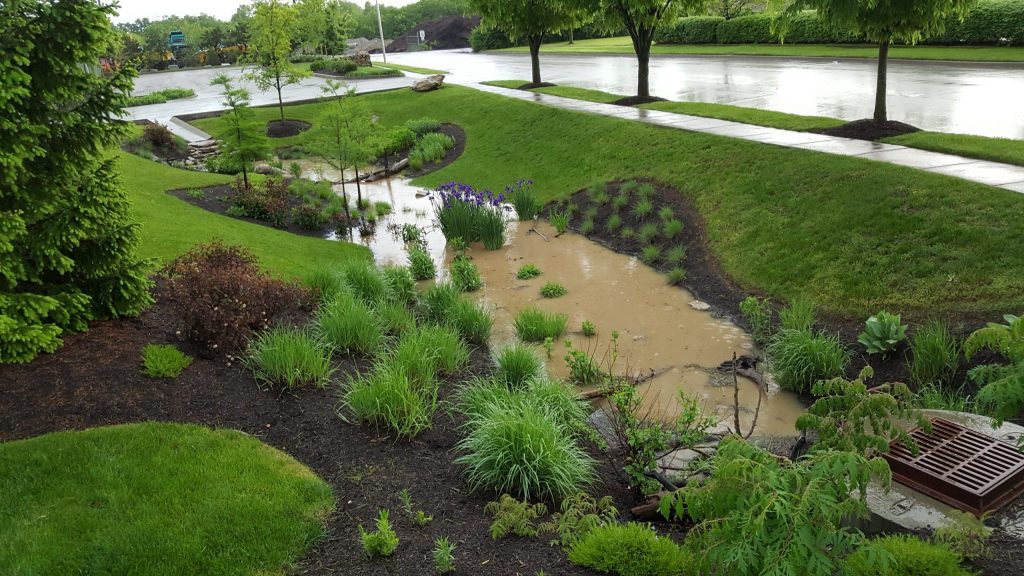
Proper drainage is a critical component of maintaining a healthy, functional commercial landscape. When water doesn’t drain as it should, it can lead to costly damage—not only to the landscape itself but also to buildings, parking lots, and hardscapes. The good news? Most drainage issues show early warning signs—if you know what to look for.
Here’s how to identify common drainage problems on your commercial property before they escalate.
1. Pooled Water After Rainfall
Standing water that lingers more than a day after rain is one of the most obvious signs of poor drainage. Whether it appears on lawns, near foundations, or in low spots along walkways, it often indicates compacted soil, improper grading, or blocked drains.
Tip: Take a walk around your property 24–48 hours after heavy rain and note any puddles or soggy areas that persist.
2. Erosion or Exposed Roots
Notice bare soil, displaced mulch, or exposed plant roots? These are signs that water is moving too quickly across the surface. Erosion not only damages the appearance of your landscape but can also compromise plant health and soil stability.
Solution: Installing swales, ground covers, or erosion control fabrics can help slow water flow and protect these areas.
3. Water Stains on Building Foundations
Water stains, mildew, or moss growth along the bottom of your building or retaining walls could point to poor drainage around the perimeter. Left unaddressed, this can lead to structural damage or interior leaks.
Watch for: Cracks in the foundation, musty odors indoors, or damp basement areas.
4. Sinkholes or Soft Spots in Turf Areas
Soft or squishy turf and depressions in the ground may indicate that water is collecting below the surface. This often happens due to poor soil percolation, broken irrigation lines, or drainage system failure.
Next step: Have a landscape professional assess for underground leaks or regrade the area to improve runoff.
5. Overflowing Gutters and Downspouts
Commercial buildings often have large roof areas that channel water to gutter systems. If those gutters or downspouts overflow or direct water too close to the foundation, it can lead to major drainage and erosion issues nearby.
Pro tip: Ensure gutters are clear of debris and downspouts are extended well away from buildings—ideally into a drainage system or dry well.
Why It Matters
Ignoring drainage issues can lead to costly repairs, unsafe conditions for visitors and employees, and long-term property damage. By identifying the early signs, you can implement effective solutions—before the next big storm does the job for you.
Need Help Solving a Drainage Issue?
Our team specializes in diagnosing and resolving drainage problems on commercial properties of all sizes. From regrading and French drains to bioswales and stormwater management, we tailor solutions to your landscape’s unique needs.
Contact us today to schedule a site assessment and keep your property dry, safe, and professionally maintained—year-round.
